

The Home’s Lifeblood
The kitchen has long been more than just a space; it is the hub of the house and where noises, smells, and tales are shared. Cooking is an act of caring, not only a task or a talent. It’s the silent way we say things like “I remember,” “I’m here,” or “I love you” without really saying them out. A deeper type of connection is made via the straightforward rhythm of chopping, stirring, seasoning, and serving—one that affects not just the body but also the spirit.
Food as a Recollection
We can travel across time with only one meal. We are anchored to people, places, and times by the scent of a meal from our childhood, the taste of a festival treat, or the texture of anything that has been lovingly constructed. Recipes become living relics that are passed down for their flavor and significance. Cooking transforms food into a narrative medium, bringing up memories that extend far beyond the actual meal.
Our cooking often reveals our origins and the people we have loved.
The Unspoken Nourishing Language
Conversation is not necessary for every interaction. When someone prepares food for us, they invest time, attention, and physical presence. They remember how much we enjoy chile, and they peel the fruit the same way we do. These little subtleties develop into a discreet familiarity. Comfort, celebration, apologies, and compassion all come to life on a plate, allowing us to speak without using words.
Cooking serves as a conduit for emotions, providing comfort when words cannot.
A Presence Ritual
In a society that often seems hurried and disjointed, cooking encourages us to take our time. It requires focus on people, processes, and components. Even the most mundane meal may be transformed into a thoughtful ritual. Cooking provides an opportunity to center ourselves, ponder, and use our hands to produce something significant, whether we are cooking for ourselves or for others.
We establish deeper connections in this setting—to ourselves, to others, to something enduring.
Tables and Stories Shared
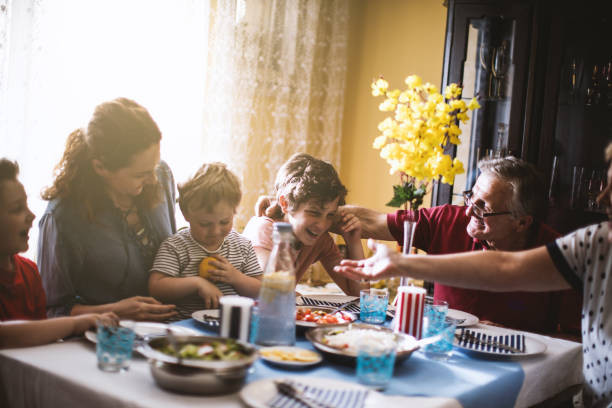
One of the most common human experiences is getting together to eat. The table is a place of belonging where tales are spoken and boundaries are down in all cultures. Families become communities and strangers become friends over meals. By welcoming others into our hearts as well as our kitchens, sharing food is a way to share life.
More than just food is provided when we prepare for other people; we also give them a place at our table.
Cooking as a Healing Activity
Cooking has the potential to be therapeutic. We gravitate to tried-and-true recipes when we’re grieving. We make new ones with excitement. Some people turn the kitchen into a haven where they can concentrate, create, let go, and rebuild. When words or reasoning fail, the scents, textures, and rituals of food provide stability and solace in the midst of turmoil.
The procedure is just as restorative as the plate.
In summary: Beyond a Meal
Cooking is a silent force of connection, from the kitchen to the soul. It unites generations, crosses cultural divides, and strengthens bonds between people. It serves as a reminder that presence can be offered warmly, meaning can be crafted, and caring can be straightforward. Cooking is more than simply cooking; it’s creating a language of love, remembrance, and community.