
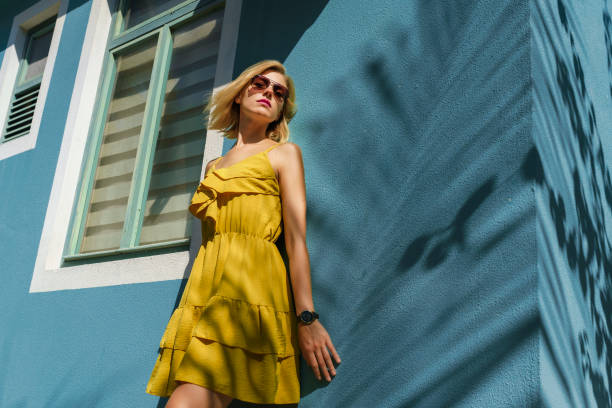

Clothes as a Self-Speaking Language
Fashion is a living language that we wear on our bodies and is much more than just pieces of cloth sewn together. Before we even talk, our clothing conveys information about our preferences, convictions, emotions, and sense of self. Whether intentionally chosen or inadvertently put together, our wardrobe choices become manifestations of our identities, representing who we are or want to be.
Every ensemble tells a tale, and style turns into a statement.
Clothes with Cultural Inheritance
Our origins often have a big influence on what we dress. The memory of genealogy and cultural pride is carried via traditional clothing, designs, and materials. From a kimono to a dashiki, a kilt to a sari, dress helps people maintain their identities across time. Despite quick fashion and globalization, it preserves tradition and celebrates belonging.
Cross-cultural fashion also demonstrates the evolution of identities. In a world that is more interconnected than ever, local customs and global influences combine to create new ways of expressing oneself.
Fashion as Rebellion and Resistance
Fashion has always been used to subvert conventions and question authority. Clothes may be used as a protest tactic, a mark of resistance, or a daring defiance of social norms. Style may be either a silent protest or a loud revolution, as seen by the black berets of political movements, gender-fluid fashion that challenges binary standards, or streetwear that has been reinvented by young culture.
In settings where voices might normally be stifled, the clothing we wear may recover power and declare individuality.
A Shifting Identity
Moments of transformation are also captured by fashion. It shows not just who we have been but also who we are becoming. Clothing assists us in navigating transitions from youth to maturity, as well as changes in our careers and lifestyles. A change in appearance might reflect a desire to start again, a change in perspective, or personal progress. In this sense, fashion is not only ornamental; rather, it is very personal and ever-changing.
Our outfits change along with us. Every shift in fashion might signal a new phase of one’s life.
The Function of Fashion in Belonging
A style may be inclusive or exclusive. It may establish boundaries around taste, income, or position, or it can bring people together via common aesthetics—subcultures, fashions, or uniforms. Through the creation of visual cues that link us to a movement, a group, or a time, fashion molds our feeling of belonging.
However, it may also push us to define ourselves according to our own standards, deviating from the norm and creating an appearance that feels particularly authentic.
How to Dress Your Inner Self
When fashion is at its strongest, it becomes a reflection of the inner self. It enables us to demonstrate our values as well as our likes. Every decision we make—whether it be one of sustainability, simplicity, flamboyance, or modesty—reflects a part of who we are. Fashion has a profoundly psychological impact on us; it may convey openness to be seen, represent healing, or boost confidence.
Our wardrobe selections are never just neutral, even on the calmest days. These are decisions that convey a lot.
Conclusion: Each Thread Has Its Own Identity
Fashion is about identity in action, not simply about look or trends. Our tales, our origins, our rebellion, and our aspirations are all conveyed via our clothing. It is both distinctly societal and profoundly personal. We see a mirror of who we are and who we are becoming in each thread, texture, and shape.