
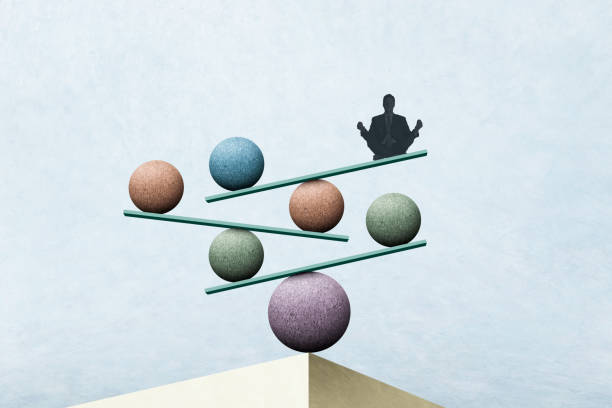

The idea of balance has never been more important—or elusive—in a world that is always changing, where digital alerts never stop, and where contemporary existence is associated with hustling. The quest of mindful living is a silent revolution that is taking place as technology, urbanization, and global instability continue to transform our lives.
Once mostly connected to yoga mats and meditation retreats, mindful living is increasingly permeating every aspect of daily life, including how we work, decorate our homes, use technology, and construct our cities. Integrating inner serenity with external pressures is more important than escaping. Instead of just wishing for balance, we are actively creating it.
In order to foster a more thoughtful, meaningful existence in the face of contemporary challenges, this article examines how people and society are redefining success, reengineering settings, and restructuring priorities.
Mindful Living’s Ascent in an Age of Hyperconnectedness
Convenience and worldwide connectedness were two benefits of the digital era, but it also brought with it new pressures including screen weariness, continual distraction, and the fuzziness of work-life boundaries. This awareness was heightened during the pandemic years, which caused millions of people to reflect on their lives and pose more profound queries:
What’s important?
How can I get my time and energy back?
How can I live completely rather than simply effectively?
From burnout to balance, from accumulation to purpose, and from productivity preoccupation to present, the solutions are driving a societal revolution.
Slowing down for the sake of slowing down is not the goal of mindful living. It all comes down to being intentional—mindful of how we utilize our time, how we organize our surroundings, how we use technology, and how we work toward our objectives.
Creating Peaceful, Not Just Stylish, Homes
A new trend is developing in an age of Instagram-ready homes and Pinterest-perfect spaces: areas that calm rather than dazzle.
The first step in mindful design is to ask yourself, “How do I feel in this space?”
The concepts of biophilic design, which link humans to nature via materials, light, air, and organic forms, are being used more and more by architects and interior designers. Features like:
Large windows and natural illumination
Green walls and indoor plants
Non-toxic, sustainable materials
Earthy, gentle textures and tones
Versatile quiet spaces for introspection or digital detox
These factors affect mood, productivity, stress levels, and sleep quality in addition to being purely aesthetic decisions. The emphasis moves from décor to wellness as the house becomes a haven from an overstimulated world.
This change is also reflected in the rising popularity of minimalism. We make room for presence, relaxation, and clarity by clearing out mental and physical clutter.
Work-Life Harmony: From Phrase to Plan
For many years, productivity took precedence above well-being in the workplace. However, modern professionals are calling for balance more than just a wage.
Our understanding of productivity and how we organize our days has changed as a result of the popularity of remote and hybrid work models. Many people are rearranging their lives to fit energy cycles rather than strict timetables; they may stroll between meetings, take breaks when necessary, or even include mindfulness exercises into their working.
Forward-thinking businesses are setting the standard by:
Providing flexible hours and days for mental health
Constructing workplace environments with a health emphasis
arranging guided meditation sessions or mindfulness workshops
To lessen fatigue, promote asynchronous communication
Time off is just one aspect of work-life balance. It’s about freedom, purpose, and rhythm—the ability to balance work and life without sacrificing either.
The Digital Dilemma: Alignment or Addiction
Our lives have been transformed by technology, but it has also caused stress and attentional fragmentation. On average, we now check our phones more than 80 times per day. Constant alerts, algorithm-driven material, and endless scrolling have produced a digital cacophony that interferes with our ability to concentrate and relax.
Intentionality and limits are necessary for mindful living in the digital era.
Among the tactics that are becoming popular are:
Decluttering digitally: eliminating pointless applications and unsubscribing from noise
Time set aside for not using screens, particularly in the morning or just before bed
Mindful tech use: substituting meaningful, focused interaction for doomscrolling
Tech health tools: including “do not disturb” settings, concentration applications, and screen-time trackers
In recognition of the need for responsible tech interaction, companies such as Apple and Google have begun to include digital wellness elements into their products.
City Life and the Pursuit of Silence
Cities might seem intimidating, but they are also emblems of contemporary development. Every day, our neurological systems are put to the test by noise, crowds, traffic, and continual motion. However, over half of the world’s population lives in cities, and that percentage is rising.
Urban planners and architects are reconsidering what makes a city livable in order to create harmony in city life.
This trend is reflected in the growth of 15-minute communities, slow cities, and green infrastructure. These city models give priority to:
Bicycle routes and walkability
Nature and green space accessibility
Community-focused public areas
Decreased reliance on cars and noise
Mixed-use projects that integrate work and life
Leading examples of human-centered urban planning, where mindfulness is incorporated into the urban landscape, are Portland, Copenhagen, and Barcelona.
Diet, Exercise, and the Relationship Between the Body and Mind
Being mindful has bodily benefits as well. Our sense of balance is greatly influenced by the way we exercise, eat, and care for our bodies.
The days when being healthy meant following strict diets or demanding exercise schedules are long gone. The new paradigm is comprehensive, peaceful, and sustainable.
Body awareness takes the role of calorie tracking in intuitive eating.
The goal of functional movement, such as yoga, tai chi, or mobility training, is long-term health.
Recovery and rest are just as important as effort.
It is believed that physical and mental health are inextricably linked.
This method shows a developing appreciation for the wisdom of the body. Health turns into a rhythm that is in tune with the seasons, the natural world, and individual requirements rather than a race.
The Ultimate Luxury: Time
The notion that time, not money, is the real luxury is perhaps the most radical one to come out of mindful living.
Slowing down is a rebellious decision in a society that is fixated with efficiency. We recover present in these times, whether it’s a contemplative stroll without music, a tech-free weekend, or a leisurely morning ritual.
Designing balance entails making deliberate decisions about how to focus our attention. Because a life in continual action seldom seems complete, it entails setting aside time for relationships, introspection, and relaxation.
The Conscientious Economy: Brands with a Mission
Businesses are adjusting as customers become more conscientious. The most respected brands of today are those that have the following values: social impact, sustainability, transparency, and authenticity.
Businesses like Patagonia, Aesop, and Allbirds have cultivated customer devotion via ethical business practices in addition to their merchandise. With more control, privacy, and health features, even digital platforms are changing course.
The transition to a regenerative economy—one that gauges success not only by profit but also by the welfare of the world and its inhabitants—is being driven by conscientious consumers.
It is also necessary to teach education and the next generation balance. Academic success without emotional intelligence or mental resilience is unsustainable, as schools and colleges are realizing.
Around the world, teachers are implementing:
Programs for teachers and students to practice mindfulness
Curriculum for social-emotional learning
Outdoor classrooms and teaching rooted on nature
Awareness of screen time and digital literacy
Early balance education prepares future generations to flourish rather than merely endure.
Conclusion: Balance’s Future
The contemporary society, with its frequent warnings, economic demands, and abundance of information, is in many ways built for imbalance. The human spirit, however, is strong. A silent revolution—a return to deliberate living—is taking place across disciplines, generations, and cultures.
Creating balance in design is a continuous process. It’s a continuous process that calls for awareness, bravery, and empathy. It asks us to stop, think, and refocus on the important things.
The trend toward balance is becoming more and more pronounced, whether it is due to personal habit, technology, architecture, or urban planning. It embodies a fundamental truth: humans were created to live profoundly, not to run indefinitely.
Living thoughtfully could be the most radical thing you can do in this period of rapid advancement. And when we make that decision, we advance rather than slack off.