

Some places don’t just show up in your photo albums; they linger in your conversations, in the quiet moments when your mind drifts, in the way you describe peace to a friend over coffee. Bhutan and Ladakh are two such places. Different in landscape, culture, and rhythm, yet both manage to pull you into a kind of stillness that feels rare in today’s noise-filled world.
Bhutan: The Land That Measures Happiness
There’s something intriguing about a country that openly admits it values Gross National Happiness over GDP. It feels almost rebellious in a world obsessed with progress charts and bottom lines. Fly into Paro, and you’ll understand why Bhutan can afford to measure life differently. The valley is wrapped in a green hush, prayer flags ripple in the breeze, and the mountains seem to close in protectively around tiny clusters of homes.
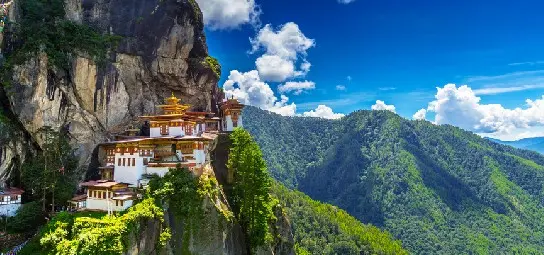
Every corner feels like a postcard, but it’s not just about scenery. It’s about a slower rhythm of life that seeps into your bones. You climb to Tiger’s Nest Monastery, breathless and tired, and suddenly the effort melts away as mist curls around whitewashed walls that cling to a cliff like they’ve defied gravity for centuries.
For many, booking a package trip to bhutan makes the journey smoother. These often weave together the highlights—Thimphu’s bustling weekend market, Punakha’s fortress where rivers meet, serene hikes through pine forests, and evenings sipping hot butter tea in a homestay. The structure gives you breathing room to just absorb the place without worrying about logistics. And Bhutan, more than most places, deserves that kind of mindful presence.
Little Details That Stay With You
It isn’t just the monasteries or mountain views that leave their mark—it’s the tiny, unassuming moments. A monk offering you tea as you wait out the rain. Kids running barefoot, giggling as they chase each other across village fields. Women in traditional kira dresses carrying baskets of vegetables, pausing to smile at strangers.
Meals are simple yet soul-filling. Red rice, fiery ema datshi (chili and cheese that warms you from the inside out), dumplings called momos—all shared in kitchens where wood fires crackle and conversations run slower. Bhutan doesn’t overwhelm you with options. Instead, it reminds you that simplicity, offered with warmth, can be unforgettable.
Ladakh: Where the Earth Touches the Sky
Switch gears and picture a very different landscape. Dry, rugged, stark, and yet breathtaking. Ladakh is a land that feels carved by gods with a dramatic flair. Snow-capped peaks tower over barren valleys, monasteries perch on hillsides, and prayer wheels spin gently in the wind as if in rhythm with your heartbeat.
A trip to ladakh often starts in Leh, where narrow lanes wind through markets filled with Tibetan jewelry, woolen shawls, and steaming cups of butter tea. The altitude makes you pause—literally, as you acclimatize—but that slower pace sets the tone for the days ahead. Once you step out of the city, the landscape changes constantly. One moment you’re gazing at turquoise waters of Pangong Lake, the next you’re standing in the cold desert of Nubra, watching double-humped Bactrian camels shuffle against sand dunes framed by snow peaks.
Adventures Beyond Comfort
Ladakh isn’t about comfort; it’s about perspective. Roads snake across high passes like Khardung La, often described as one of the world’s highest motorable roads. You’ll find yourself gripping the seat as your vehicle navigates sharp bends, then moments later staring in awe at endless horizons. It’s the kind of place that tests your endurance but rewards you with scenes so raw and majestic they etch themselves permanently into your memory.
Camping by Tso Moriri under a sky littered with stars feels almost otherworldly. The silence here isn’t empty—it’s filled with the hum of wind, the soft flutter of prayer flags, and the steady beat of your own heart adjusting to the altitude. For those chasing adventure, treks like the Markha Valley push you physically but gift you glimpses of landscapes and cultures far beyond the reach of cars.
Bhutan vs. Ladakh: Stillness and Starkness
Bhutan feels like a gentle hand on your shoulder, nudging you to breathe slower, look deeper, smile more. Its green valleys and crimson-robed monks invite reflection. Ladakh, on the other hand, feels like a challenge. It dares you to face its barren beauty, its harsh winds, its dizzying altitudes. And yet, both bring you closer to yourself in ways few places can.
Bhutan shows you the richness of simplicity; Ladakh teaches resilience and awe. One wraps you in serenity, the other humbles you with its vastness. Together, they prove that travel isn’t just about seeing new places—it’s about feeling new emotions, learning new strengths, and recognizing what truly matters.
What You Take Back
You leave Bhutan with an appreciation for balance. That wealth doesn’t have to mean skyscrapers or crowded malls—it can mean harmony with nature, joy in small rituals, and a nation that proudly prioritizes happiness.
You leave Ladakh with a sense of scale. That the world is vast, that mountains and deserts will always outlast us, and that maybe we should live with a little more humility.
Both destinations strip away the noise, though in different ways. Bhutan does it gently, Ladakh more forcefully. Either way, you return home changed—not with souvenirs that gather dust, but with a quieter mind, a fuller heart, and stories you’ll find yourself telling long after.
Closing Thoughts
Travel, at its best, reminds us who we are when stripped of routine. Bhutan gives you a chance to listen to the silence of monasteries, while Ladakh lets you stand small against mountains that have watched centuries pass. Both destinations are not just trips on a map—they’re journeys inward.
And maybe that’s why people return. Because it’s not just about ticking off places. It’s about finding parts of yourself that everyday life often hides away. Bhutan and Ladakh, in their own distinct voices, bring those pieces back to the surface. And that—more than anything—is the kind of travel worth taking.